Doors Always Open
SHORT N’ SWEET
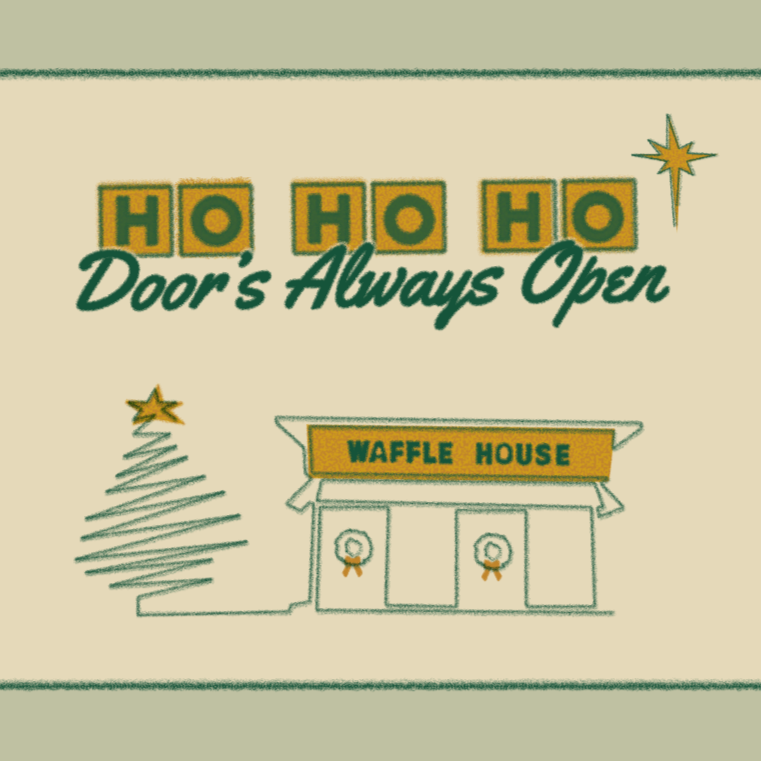
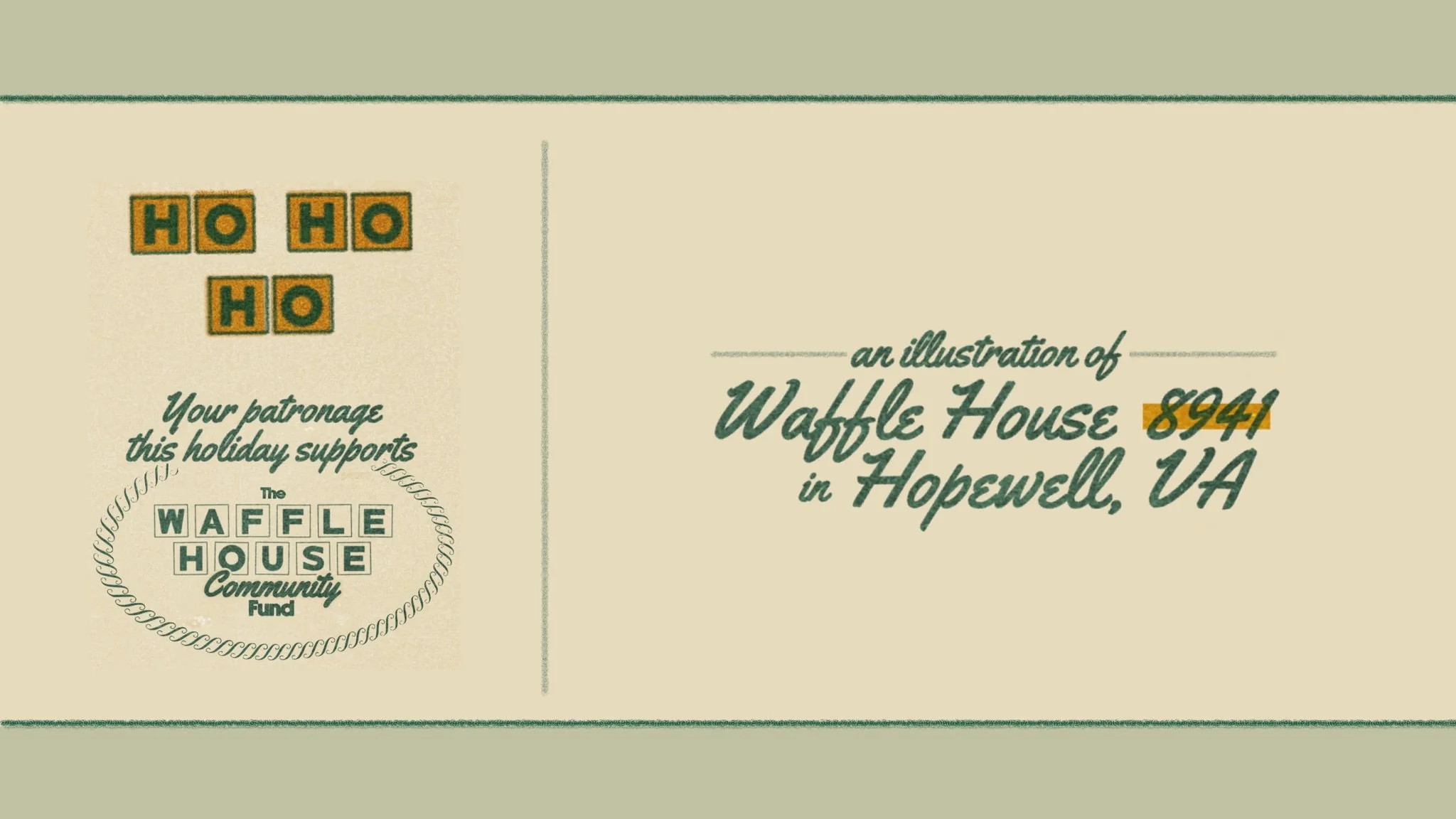
Waffle House is famously open on Christmas, which is surprisingly a lonely time of year for many people. So this season, we invited them inside. Their holiday patronage supported the Waffle House Community Fund, making sure support for our community doesn't end on the rare occasions our doors are closed.
-
Ask: Using a community initiative, develop a way for a brand to do good.
Problem: Due to media and stereotypes, people have a negative perception of Waffle House
Target Audience: Low-Income Communities in South East states.
Insight: A little warmth Goes a long way.
Strategy: Home is where the Waffle House is.
PROBLEM
Due to media and stereotypes, people have a negative perception of Waffle House.
From Vines to SNL skits to live comedy performances, Waffle House gets the reputation of being dirty, and trashy, and violent.
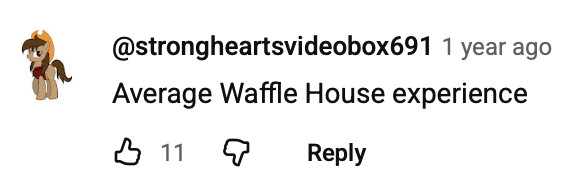
And people widely agree with these portrayals.
Just look at the comment section from under these videos.






But Waffle House is so much more than that.
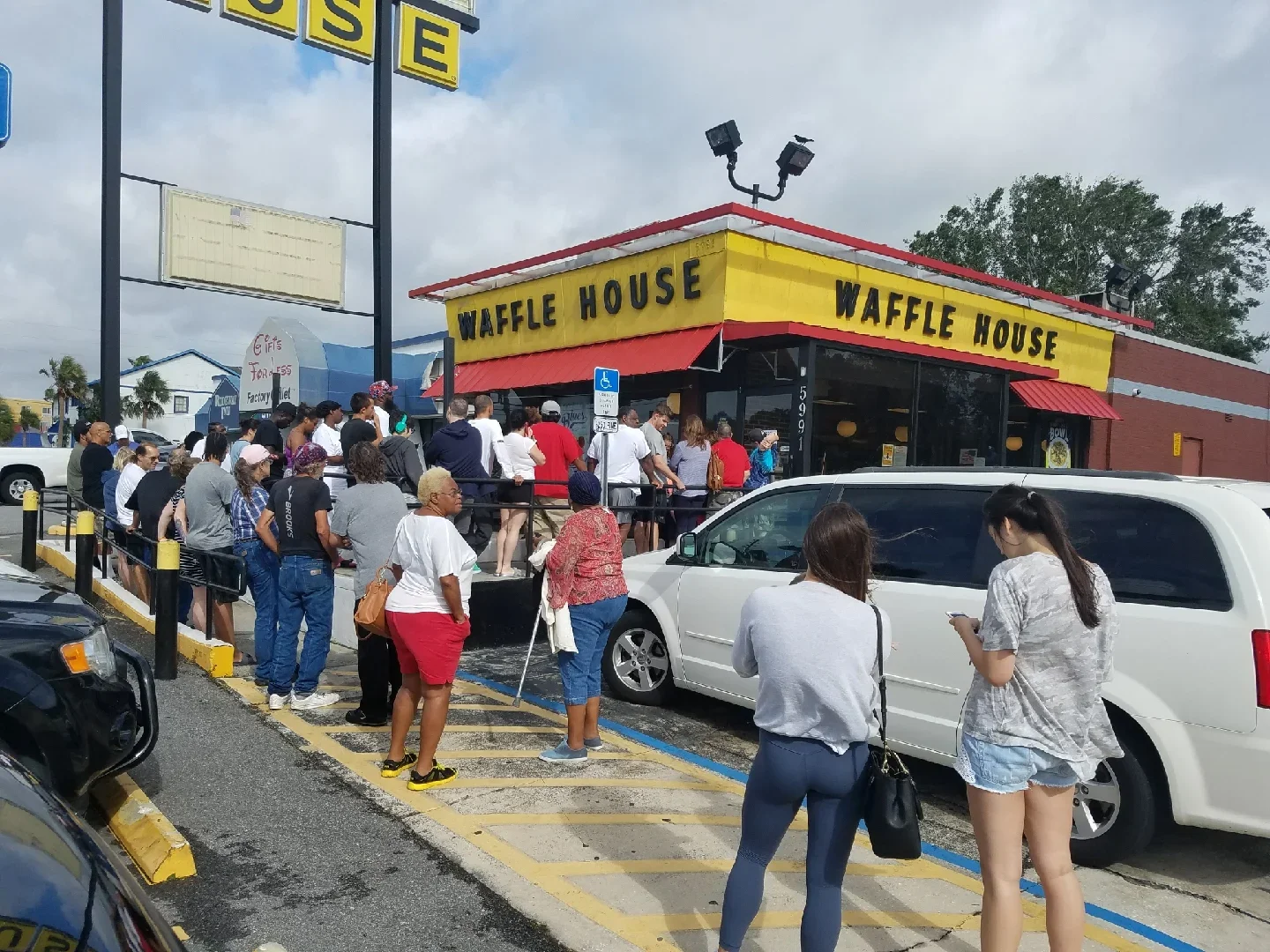
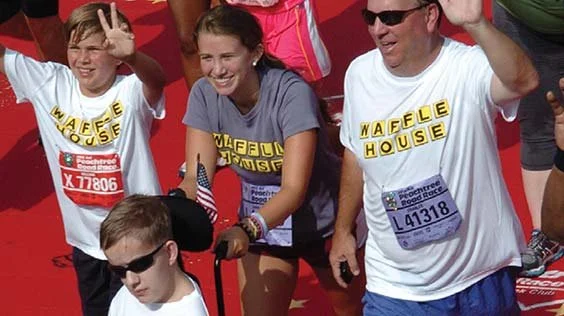
THEY SHOW UP 24/7
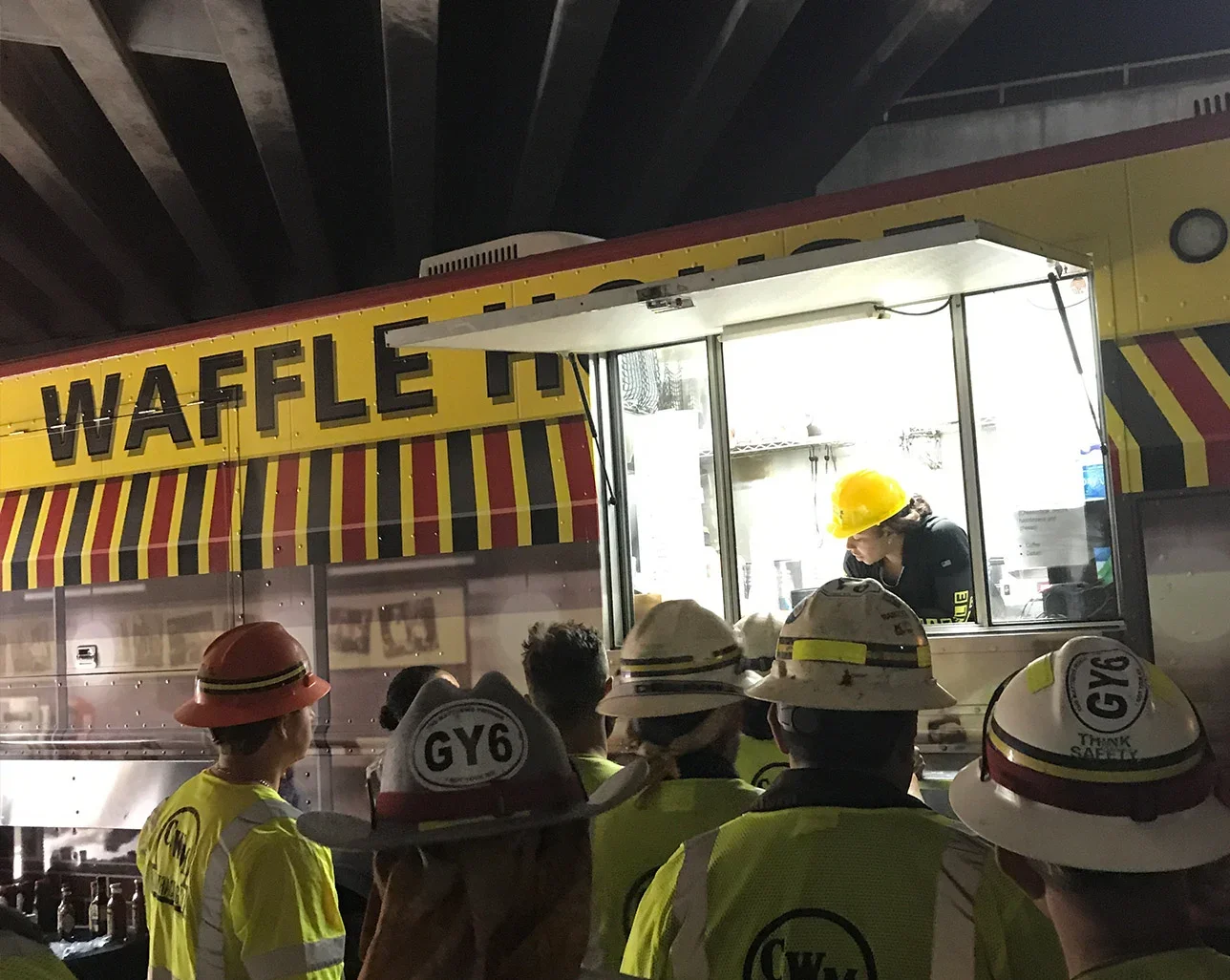
Waffle Houses are uniquely committed to their communities. They support local schools, partner with civic groups, and host fundraising events. In times of crisis (like storms or other natural disasters), they become a beacon, making sure to open as quickly as possible to serve the communities in times of need.
TARGET
Lower income communities in Southern & East Coast states.
Why?
This is where Waffle Houses ARE.
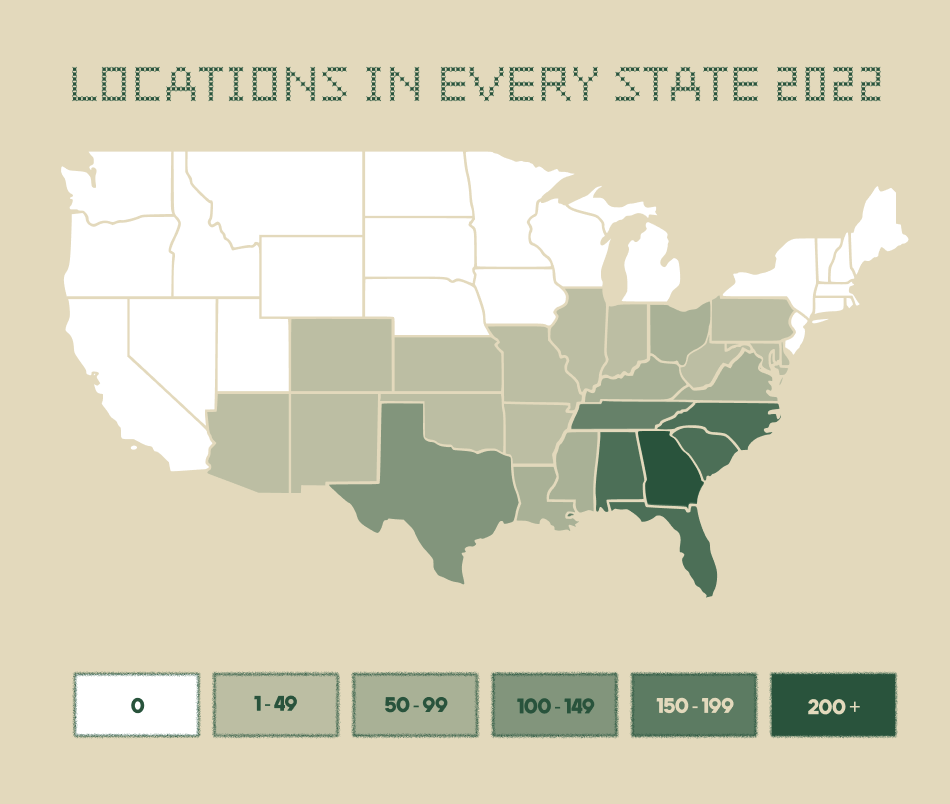
majority of 1,900-2,000 Waffle Houses are located in these states.
More likely to live next to a Waffle House
Lack infrastructure
Not considered consumers by brands
Need third places and community
And just like Waffle House,
The people in these states get a bad rep.
So our team took a trip to one of these southeast Waffle Houses in
Hopewell, VA
Not so affectionately known as “Hopehell” a small town of only 22, 970 with a staggering crime rate of 21.40.
While we were there (the only ones in the shop on a Sunday night), we yapped it up with the chef and waitress.
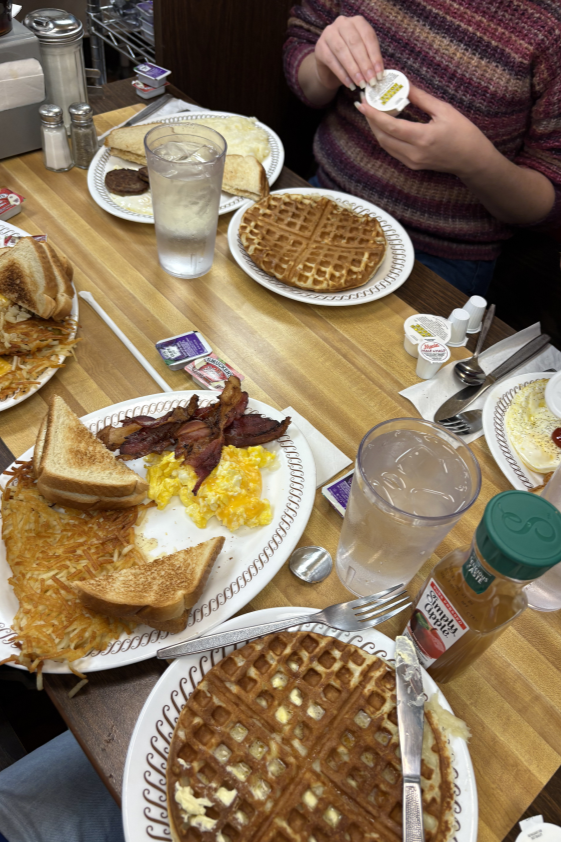
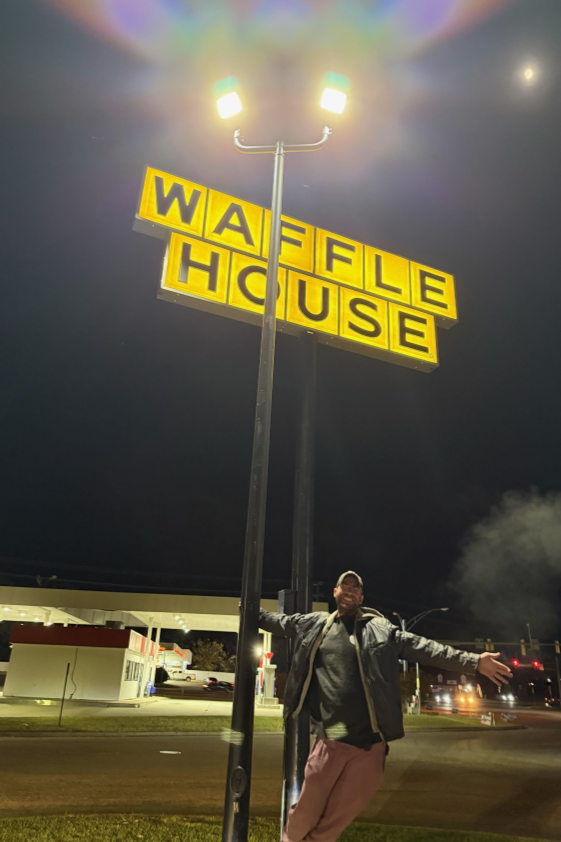
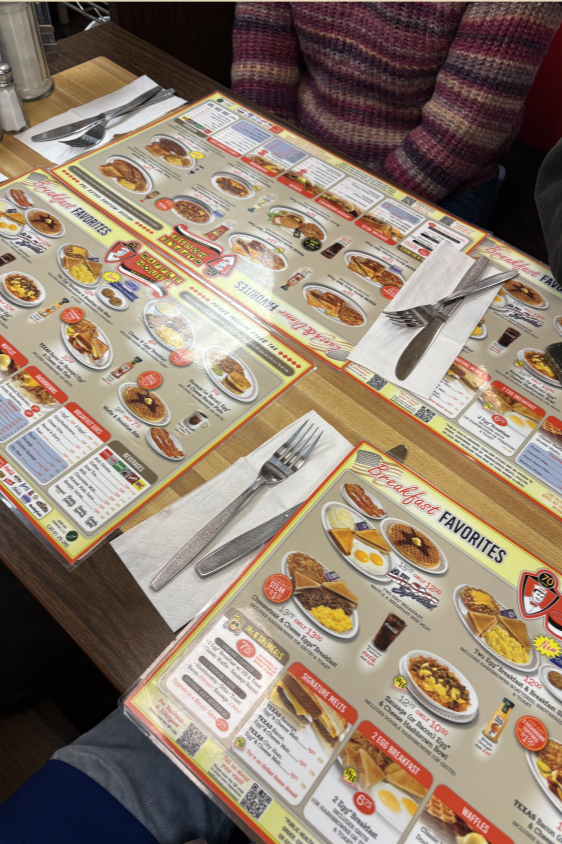
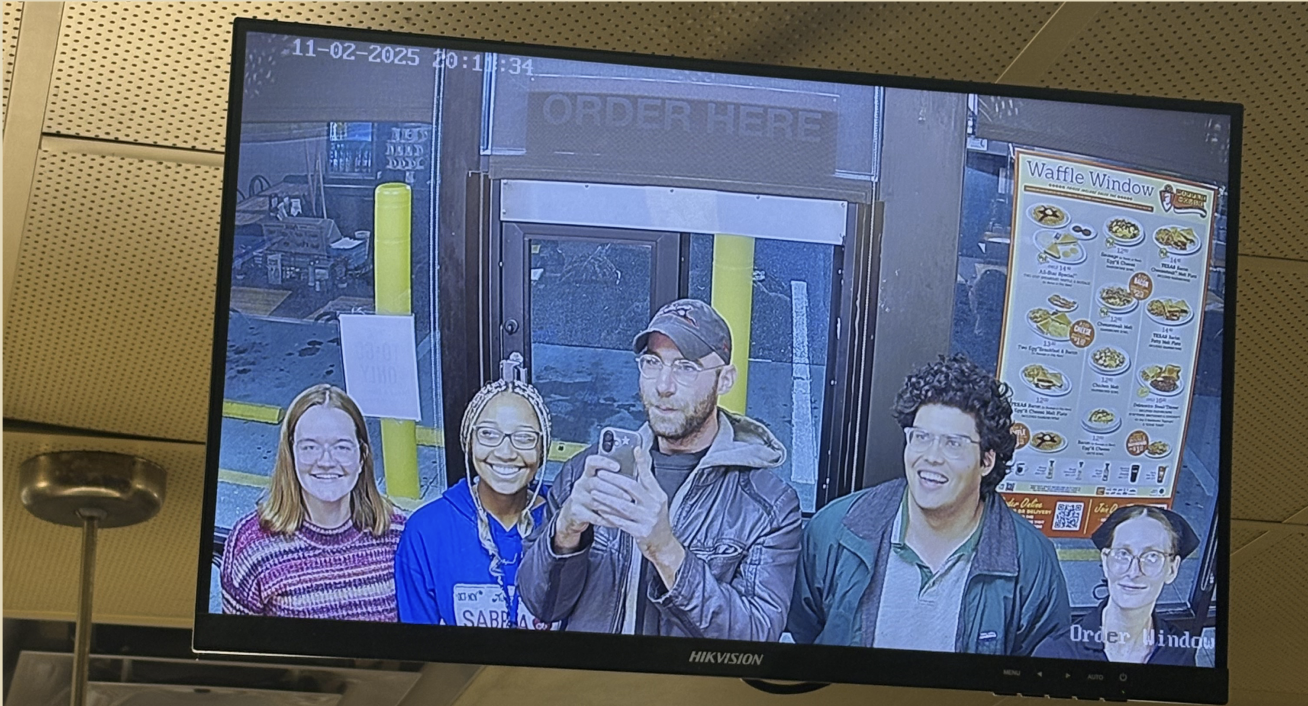
Just like us, our waitress had her own misconceptions about the city of Hopewell and Waffle House in general, but had found her experience (she’d been working there for about 6 months when we spoke to her) to be nothing but welcoming.
INSIGHT
A little warmth goes a long way.
People need people. And Waffle House brings them together.
“You can always count on Waffle House to be there for you when you need it. It’s always open. The experience is always comforting and consistent.”
“Always there for you… I’ve never felt they weren’t. They’re always open. They’ll never leave me.”
“Thanks to all of the great Waffle Houses out there… from sweaty sports games when I was 7, to cheap dates at 16, to drunk nights at 21… I love y’all Waffle House workers.”
“If not for Waffle House… I don’t think I would’ve made it through past summer.”
STRATEGY
Home is where the Waffle House is.
Waffle House is for anyone searching for their people. A space to find connections, to feel less alone, and to build the type of family they’ve been missing.
Everyone deserves a home for the holidays.
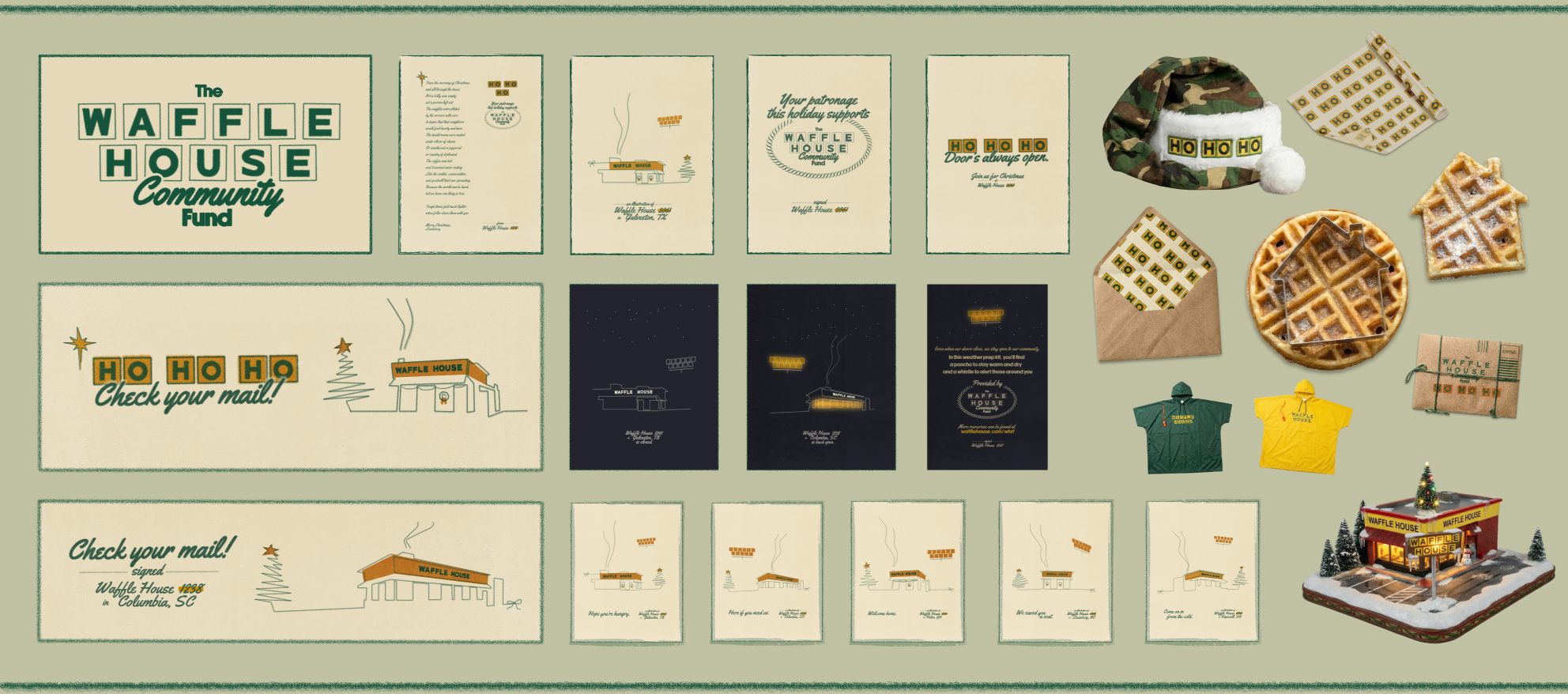
CREATIVE WORK
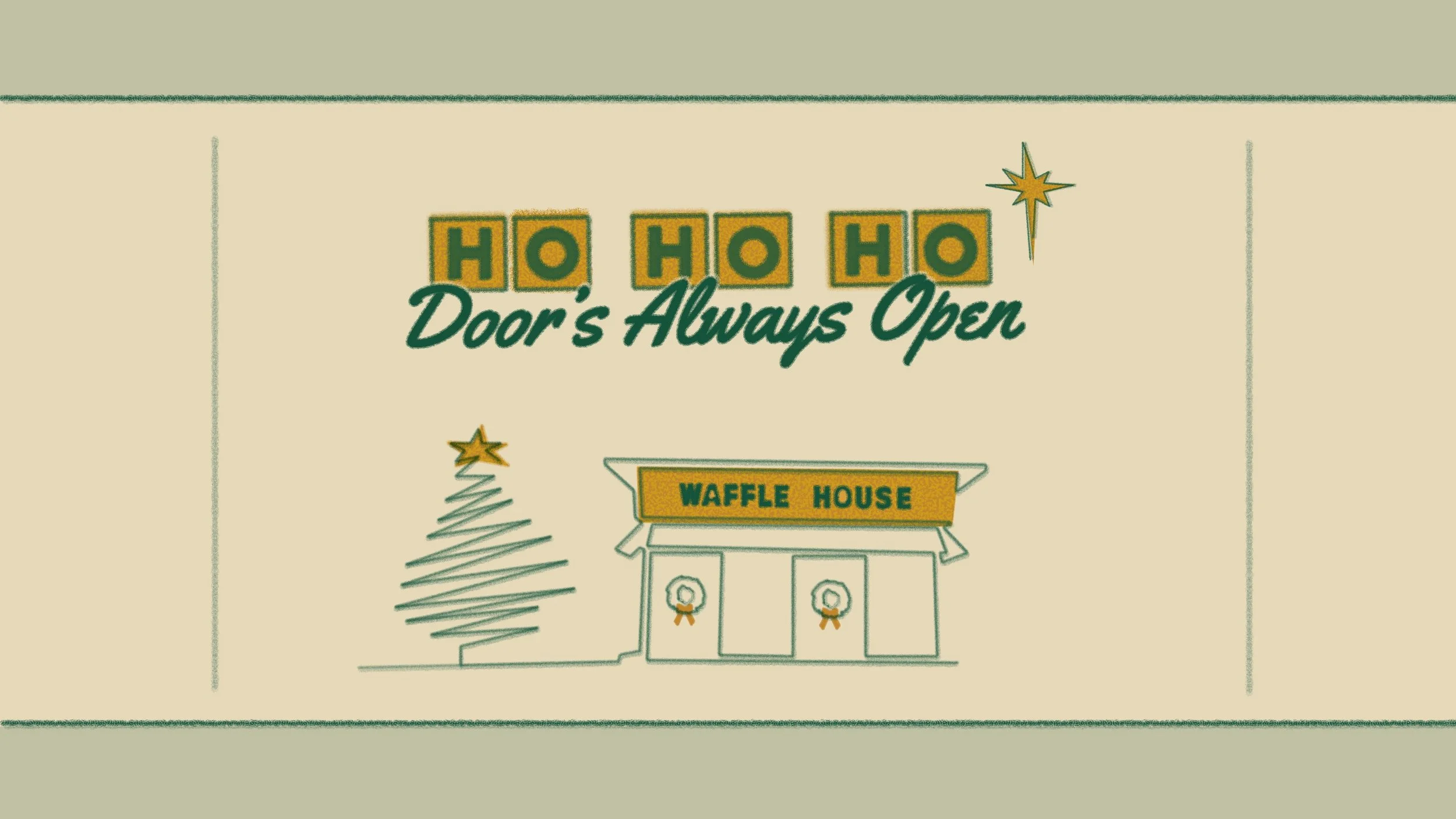
DIRECT TO MAIL
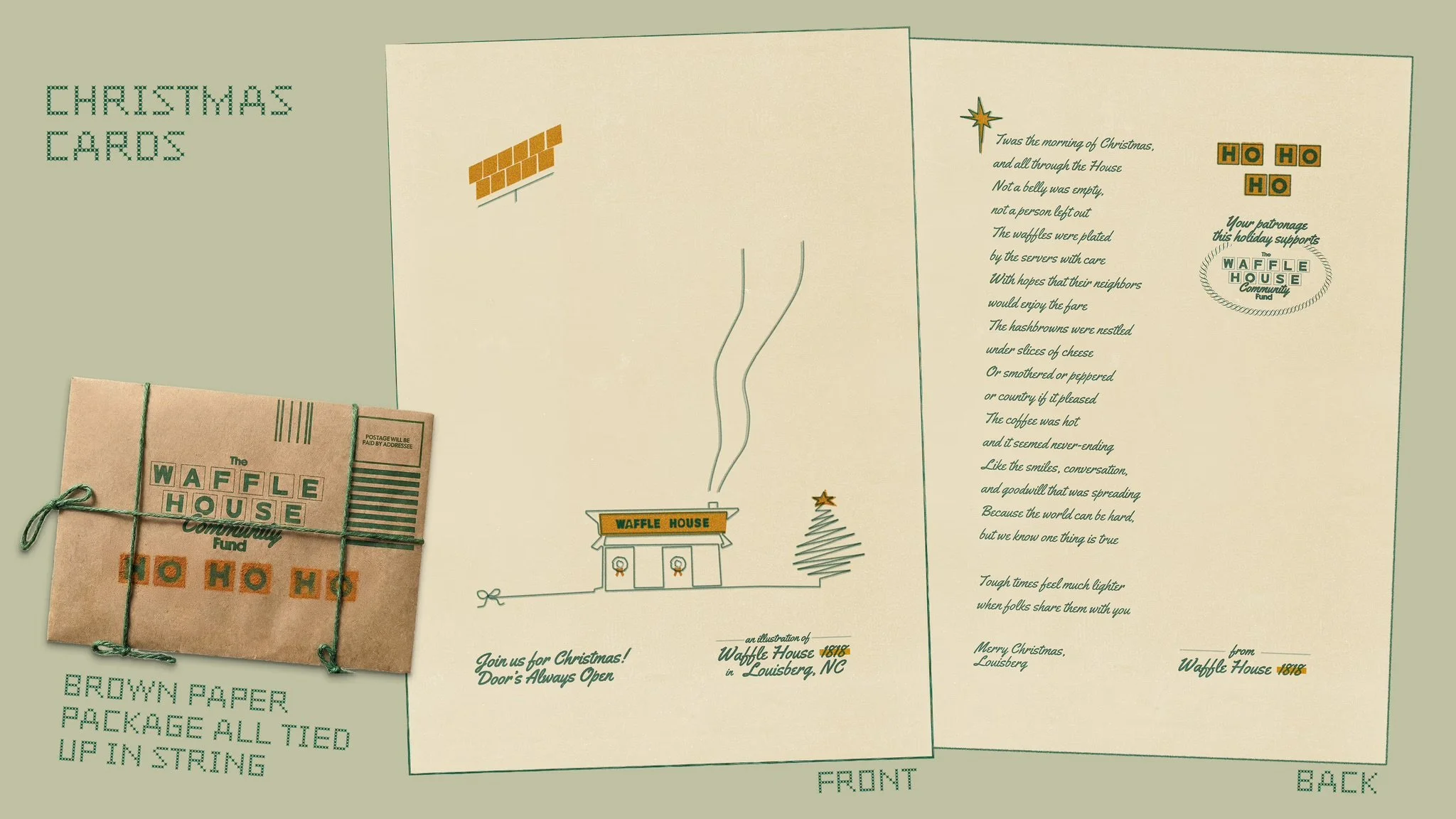
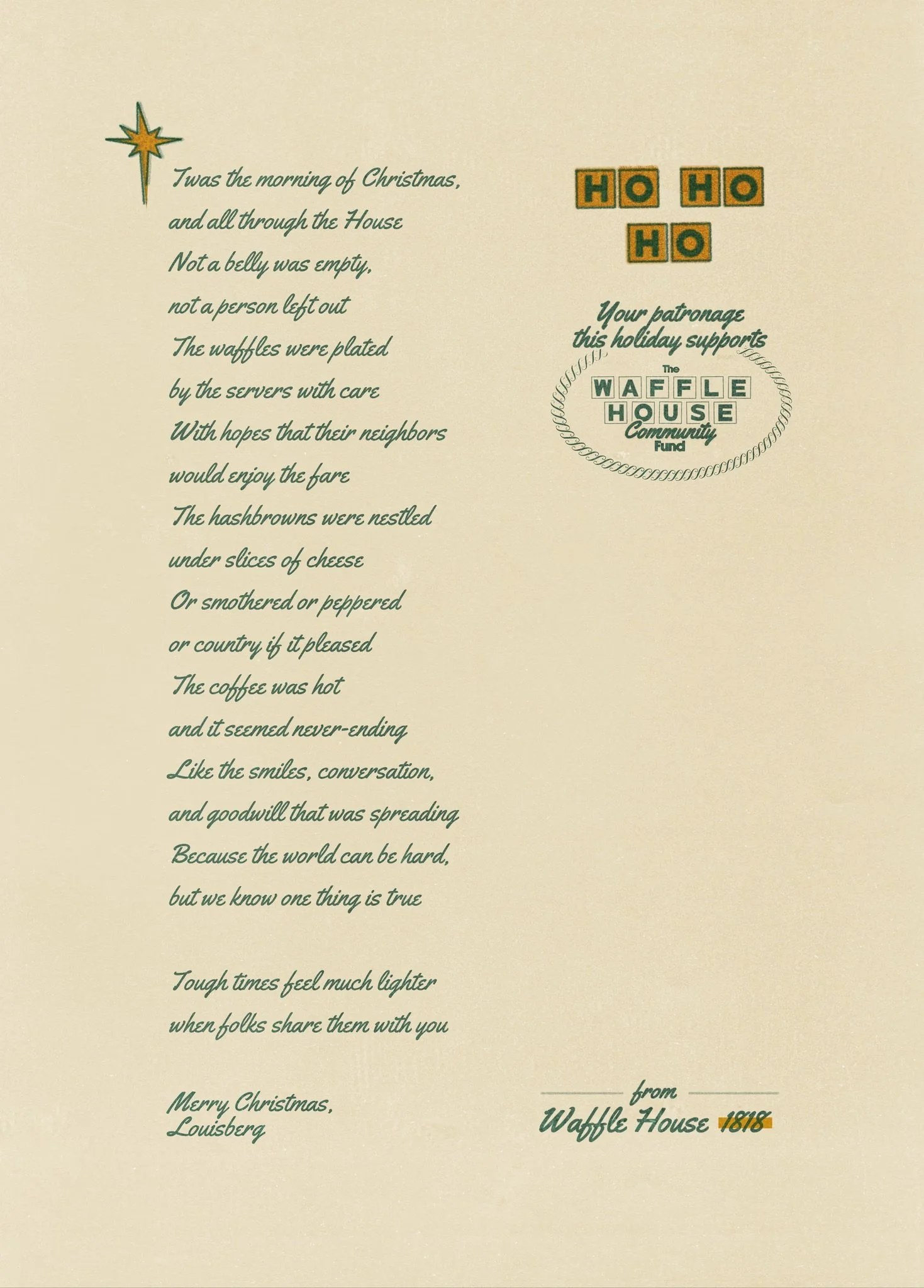
Waffle House will mail Christmas Cards with localized illustrations to the residents in the immediate area.
OOH
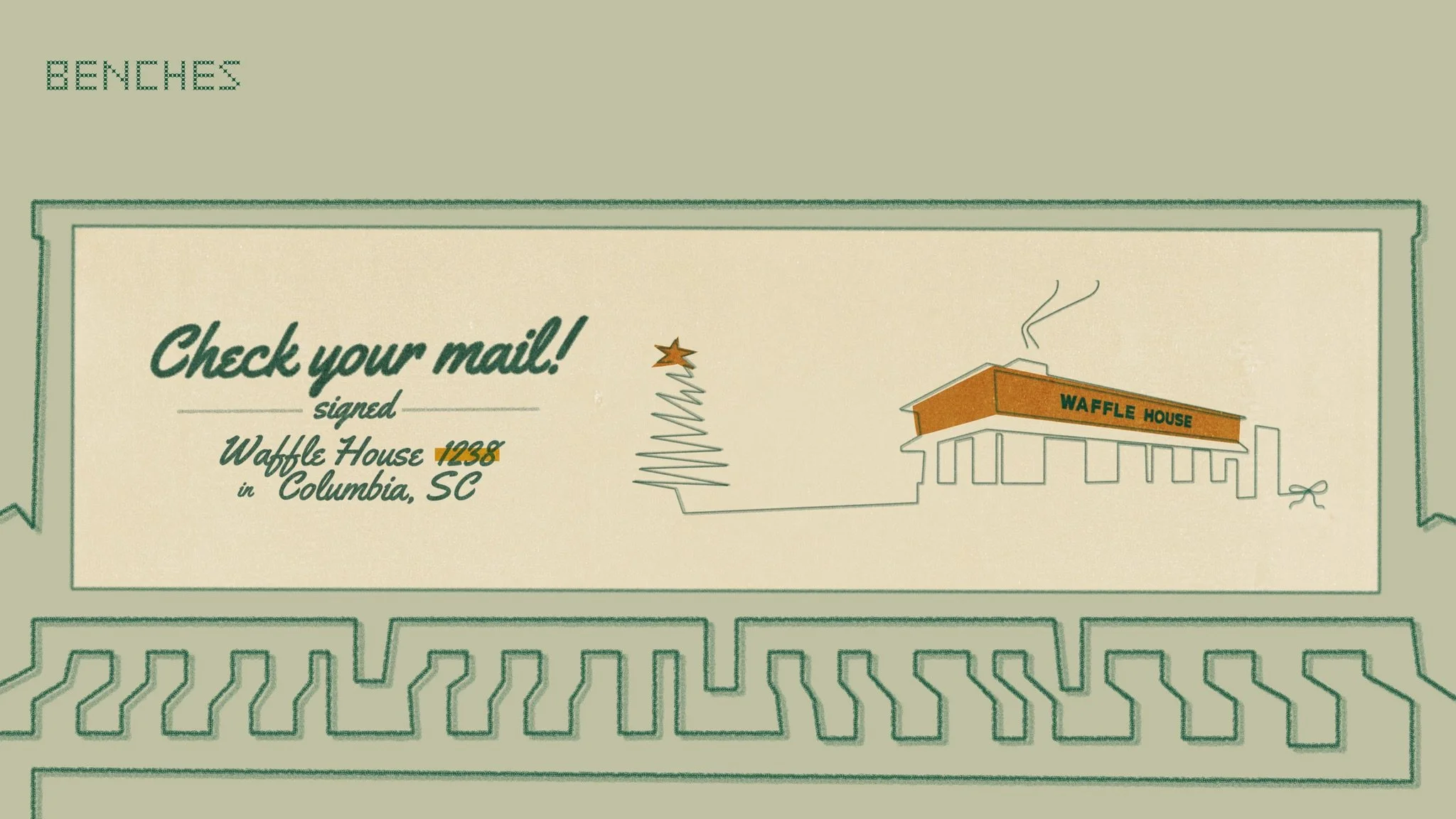
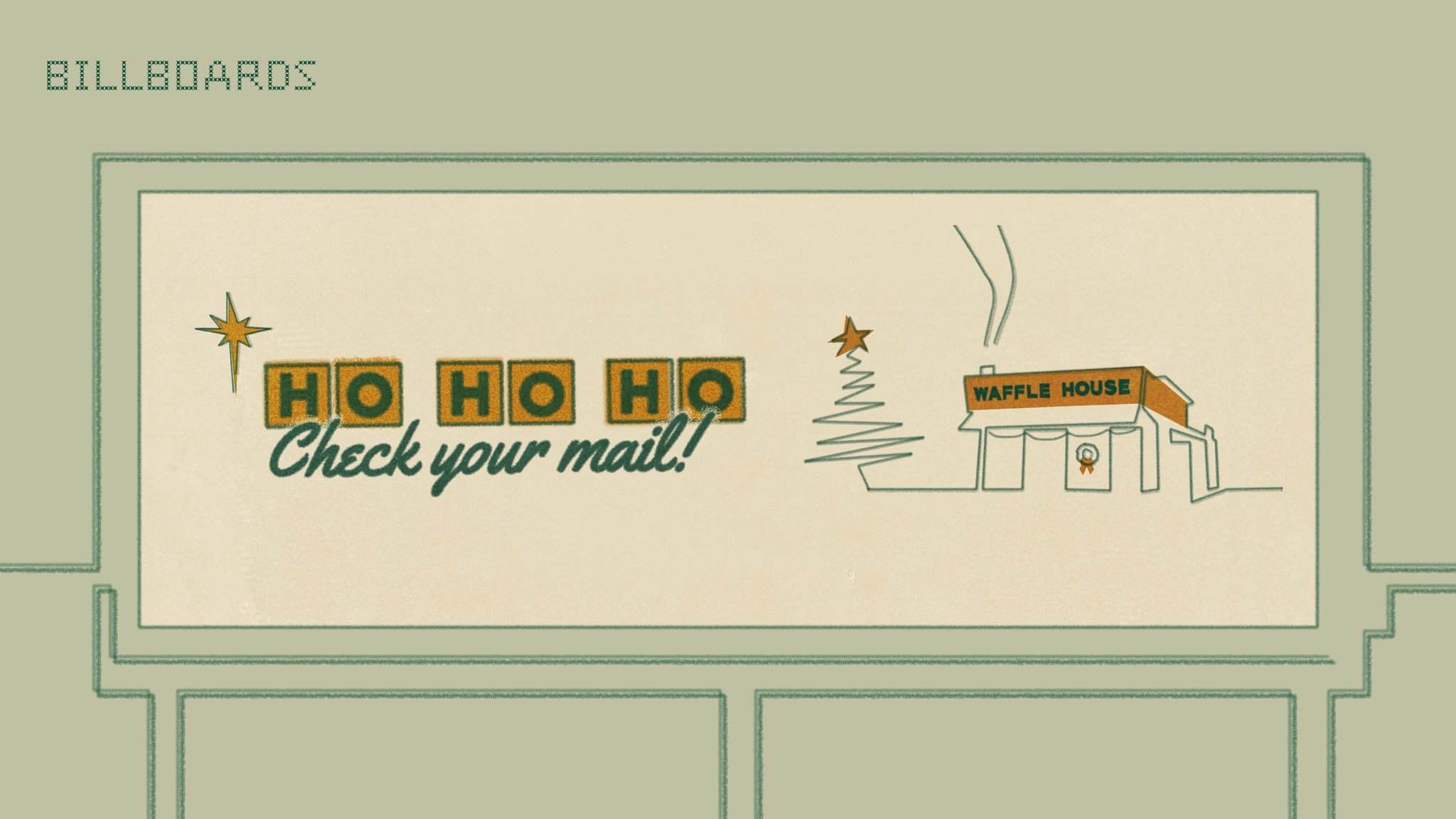
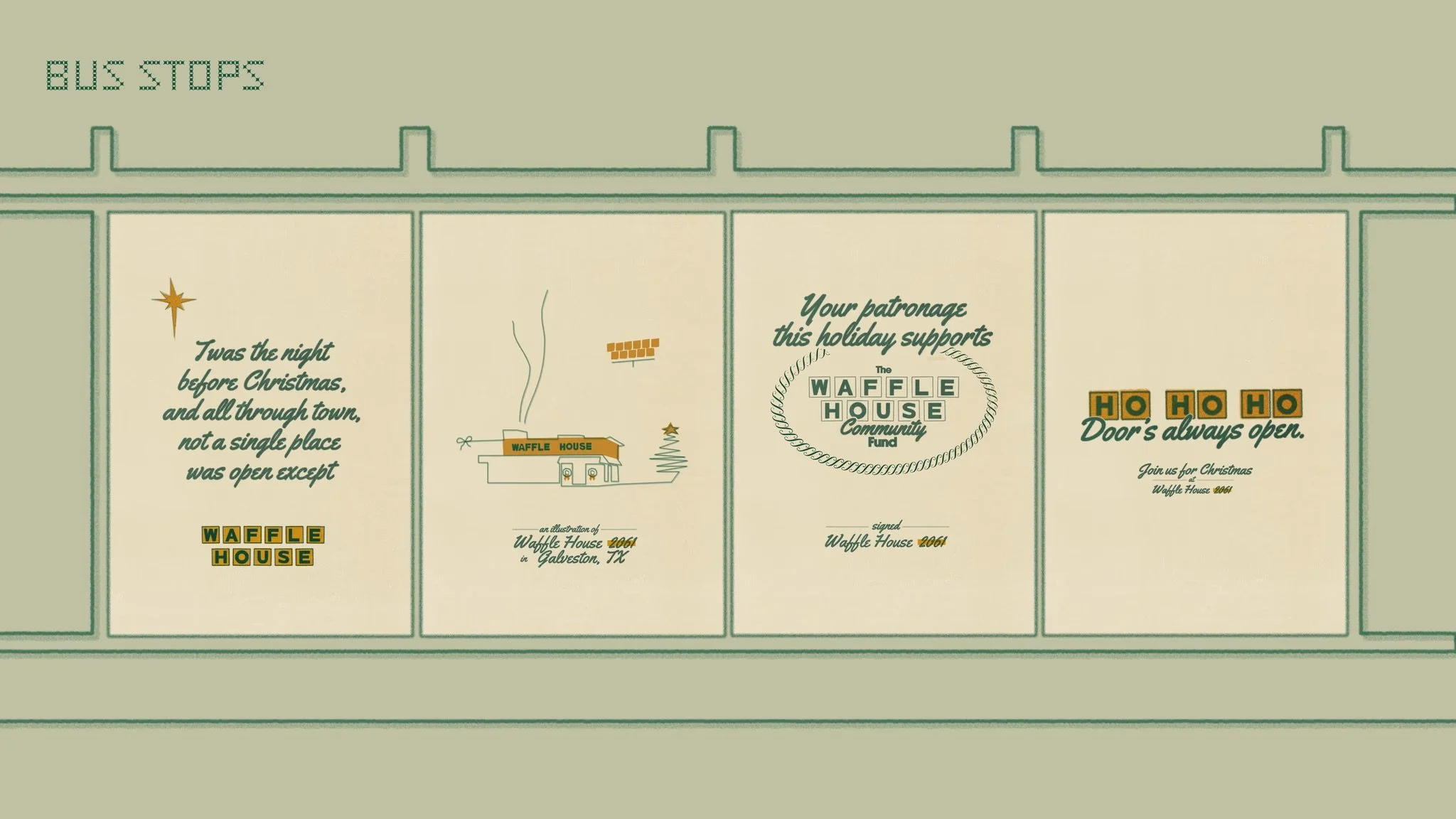
They’ll advertise exclusively in small towns with benches, local billboards, and bus stops.
SOCIAL POST
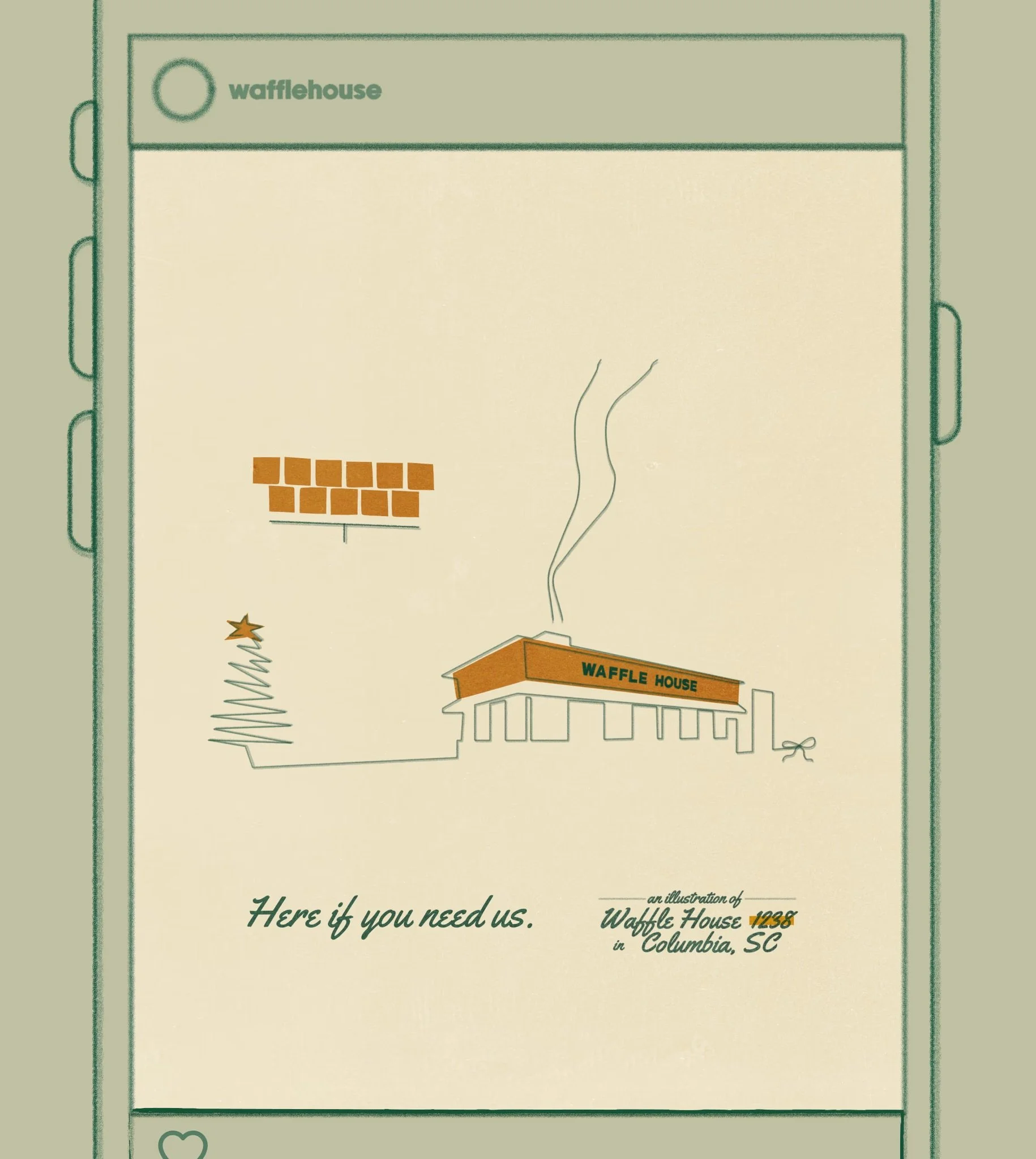
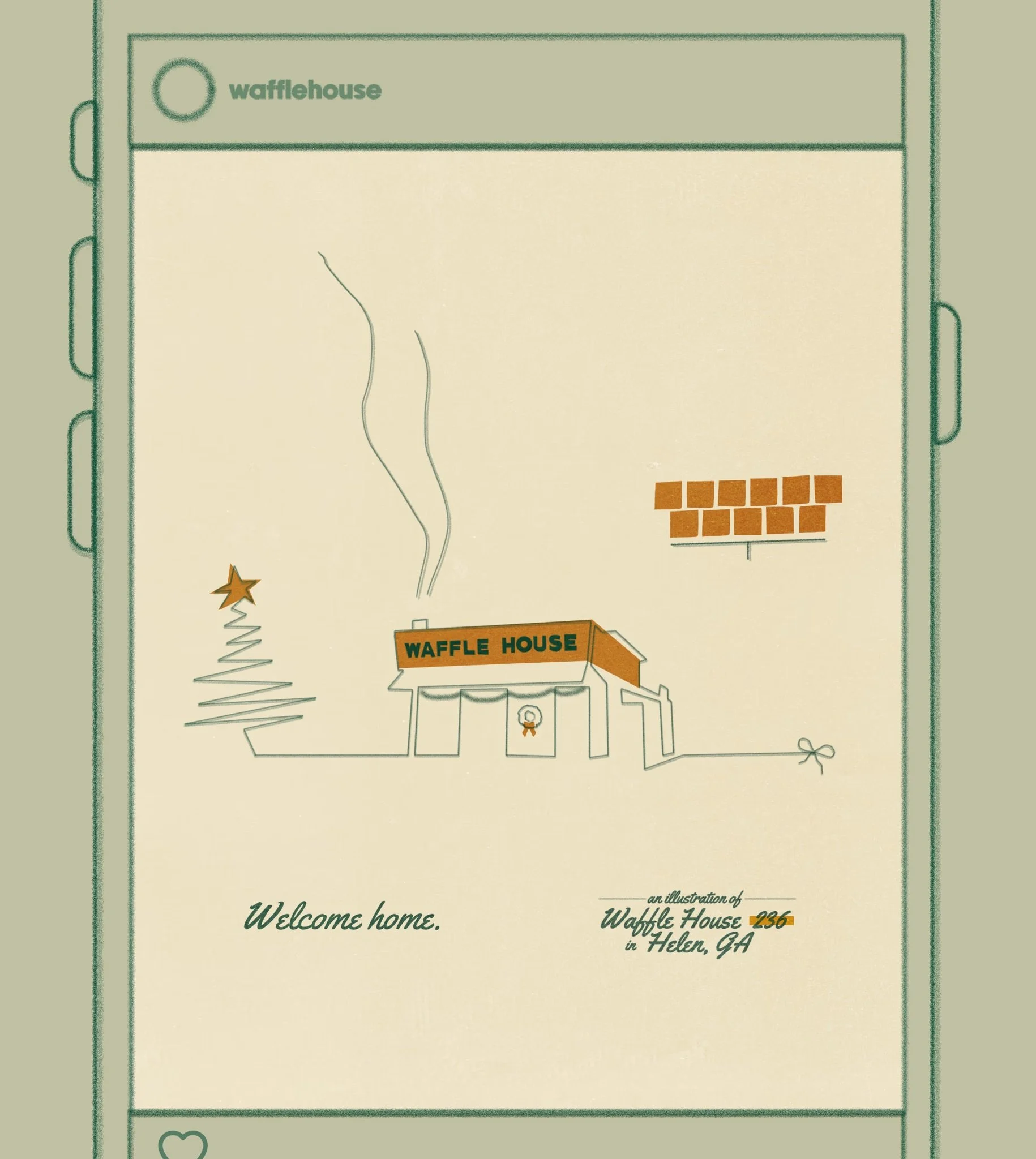
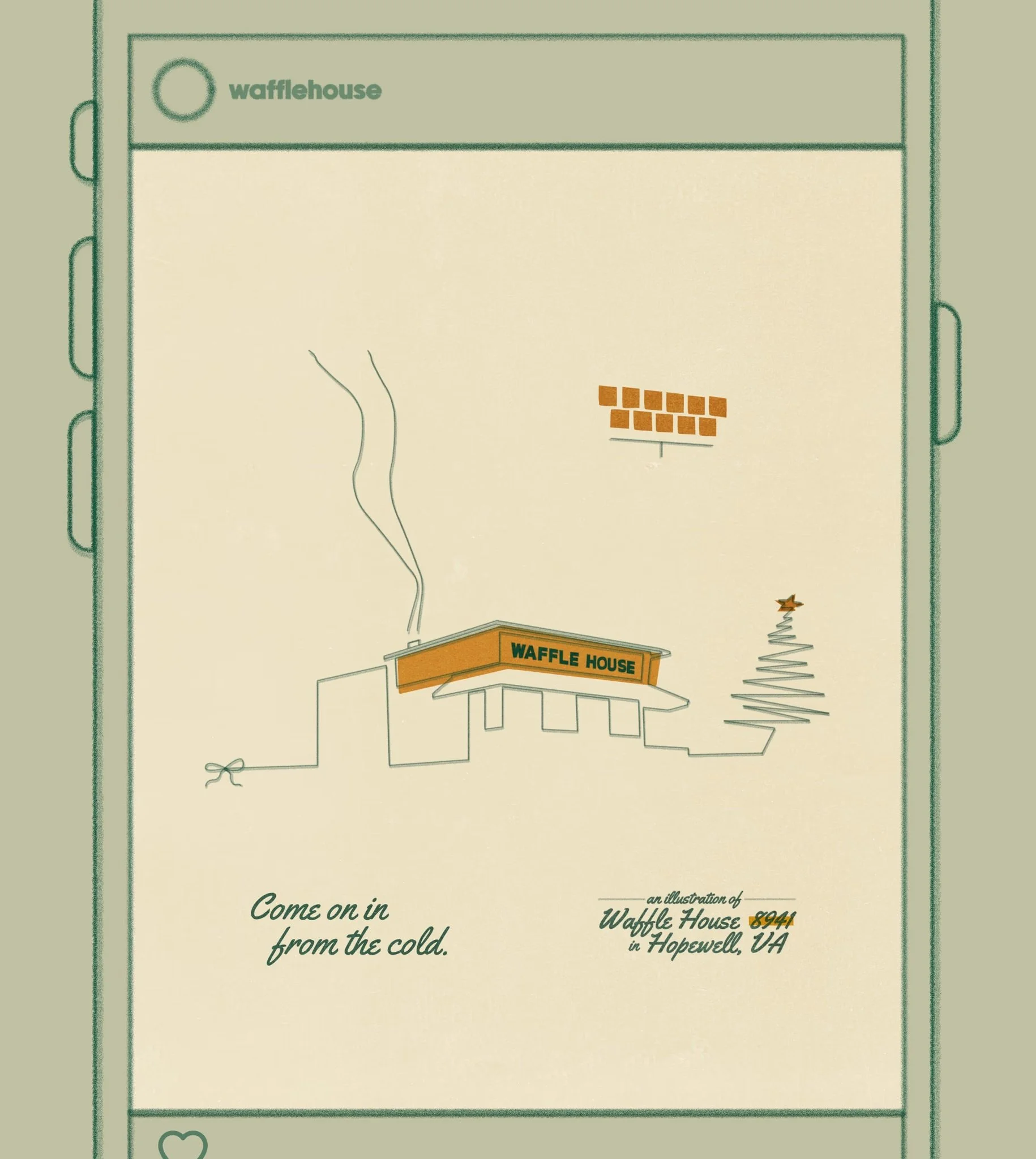
Personalized illustrations for each Waffle House to make sure the community feels seen.
COMMUNITY OUTREACH
A way for Waffle House to support the places it calls home by combating food insecurity, aiding in disaster preparation, and continuing to exist as a staple in the community.
The Christmas proceeds will support Storm and other natural disaster relief for effected communities.
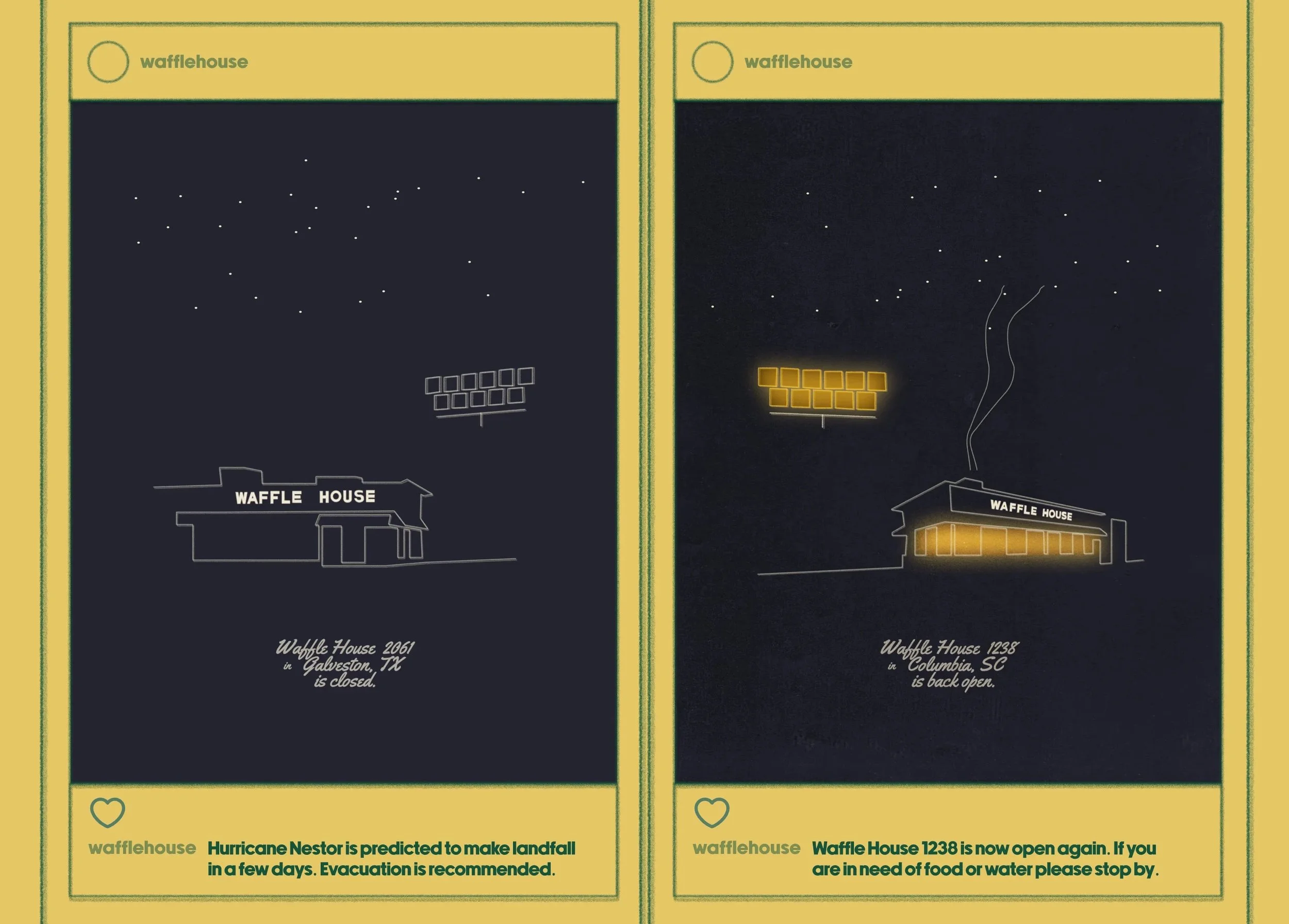
Waffle House will keep an eye out on weather disasters and keep their community updated on storm progress through opening and closures.